
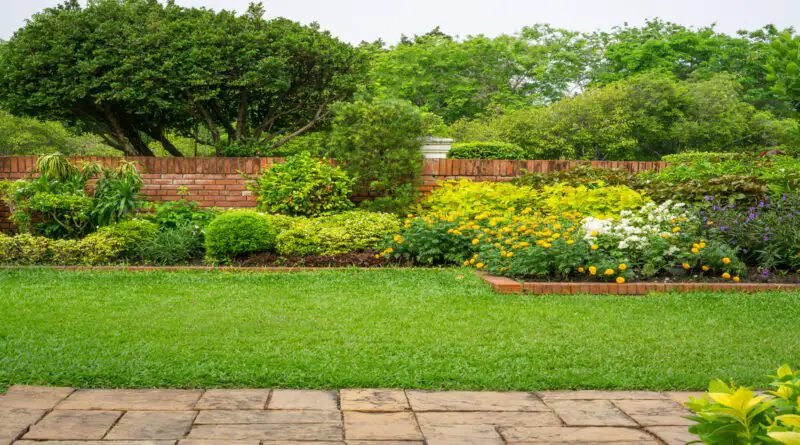
How To Make a Sustainable and Comfortable Backyard Space
Your backyard can be more than just a patch of grass. It can be a personal sanctuary, a place to connect with nature, and an extension of your home’s living space. When crafting and remaking your outdoor living space, you don’t have to choose between environmental friendliness and your comfort. Keep reading to learn how to make a sustainable and comfortable backyard space for your home.
Planning Your Sustainable Backyard
Assessing Your Space and Climate
First, get to know your backyard’s unique characteristics. Observe how sunlight moves across the area throughout the day to identify the best spots for seating, gardens, or shade structures. Test your soil’s composition to determine which plants will thrive naturally.
Also, consider your local climate. Research your area’s average rainfall, temperature ranges, and native plant species. This information will guide your choices for plants, irrigation methods, and materials, helping you create a backyard that harmonizes with its natural environment.
Setting Goals and Priorities
With a clear understanding of your space, you can set your goals. What do you want from your backyard? Perhaps you envision a quiet corner for reading, a spacious patio for hosting friends, or a vibrant garden that attracts pollinators.
Prioritize these goals around your lifestyle and budget. Decide which elements are essential and which are nice-to-haves. This will help you create a plan to build your sustainable backyard over time without feeling overwhelmed.
Choosing Sustainable Materials
Eco-Friendly Decking and Paving
When selecting materials for decks and patios, look for sustainable alternatives to traditional options. Composite decking materials like recycled plastic and wood fibers offer durability without contributing to deforestation.
For paving, consider permeable pavers that allow rainwater to soak into the ground, reducing runoff and replenishing groundwater. Local stone is another excellent choice, as it minimizes transportation emissions and supports regional economies.
Recycled and Reclaimed Materials
Incorporate character and sustainability into your backyard by using recycled and reclaimed materials. You can repurpose old bricks for a charming garden path and transform reclaimed wood into a unique bench or planter. Look for salvaged materials at local architectural salvage yards or online marketplaces. Using these items diverts waste from landfills and adds a distinctive, story-rich element to your outdoor space.
Creating Comfortable Seating Areas
Furniture Options
When purchasing outdoor furniture, one of the first things to consider is the material. Look for furniture that features Forest Stewardship Council (FSC) certified wood, which guarantees it comes from responsibly managed forests. Recycled plastic furniture is another durable and eco-friendly option that keeps plastic waste out of our oceans and landfills. Wicker or rattan made from natural, fast-growing fibers also presents a beautiful and sustainable choice.
DIY Seating Ideas
For a truly personal touch, consider building your own seating. Simple projects can have a significant impact. You can construct a sturdy bench from reclaimed wood or stack concrete blocks to create a modern, modular seating arrangement. Some DIYers even clean and paint old tires and top them with a cushion for a unique and fun ottoman. These DIY projects can save money and give you complete creative control over your backyard’s design.
Incorporating Native Plants
Benefits of Native Plants
Another way to make a sustainable, comfortable, and beautiful backyard space for your home is to incorporate native plants. Native plants provide food and shelter for local wildlife, like birds, butterflies, and bees. Because they adapt to the local environment, they require less water, fertilizer, and pest control than non-native species. This reduces your reliance on chemical treatments and conserves precious water resources.
Designing a Native Plant Garden
To design your native plant garden, research species native to your specific region. Group plants with similar light and water needs together to create thriving plant communities. Create layers in your garden with a mix of groundcovers, perennials, shrubs, and small trees to provide diverse habitats for wildlife. A well-designed native garden offers year-round interest and becomes a living, breathing part of the local landscape.
Water Conservation Methods
Rainwater Harvesting
Capture and store rainwater to use for watering your garden. By connecting a simple rain barrel to a downspout, you can collect hundreds of gallons of water each year. For larger properties, consider installing an underground cistern. This harvested water is free of chlorine, making it a healthier choice for your plants.
Efficient Irrigation Systems
If you need to irrigate your garden, choose an efficient system. Drip irrigation and soaker hoses deliver water directly to the base of plants, minimizing evaporation and waste. Water your garden early in the morning to further reduce water loss to the sun and wind. Using a timer can also help you water consistently and avoid overwatering.
Adding Shade and Shelter
Natural Shade Options
Planting deciduous trees is a fantastic long-term strategy for natural shade. They provide cooling shade in the summer, and when they lose their leaves in the fall, they allow sunlight to warm your home during the winter. Choose native tree species that suit your climate and available space.
Sustainable Structures
For immediate shade, build a pergola or an arbor using sustainable materials like reclaimed wood or bamboo. You can grow native vines over these structures to create a lush, green canopy. A retractable canvas awning is another flexible option that lets you control how much sun or shade your patio receives.
Lighting Your Backyard Sustainably
Solar-Powered Lighting
Solar-powered lights are an easy and effective way to light up your backyard. They require no wiring and use the sun’s energy to charge during the day, automatically turning on at dusk. Use them to line pathways, highlight garden features, or create a soft ambiance on your patio.
Low-Voltage LED Lighting
For more extensive lighting needs, low-voltage LED systems are an excellent choice. LEDs consume significantly less energy than traditional incandescent bulbs and have a much longer lifespan. A low-voltage system is safer and easier to install than standard line-voltage lighting, making it a great DIY-friendly project.
Maintaining Your Sustainable Backyard
Organic Gardening Practices
Avoid synthetic fertilizers and pesticides, which can harm beneficial insects and contaminate waterways. Instead, enrich your soil with compost and use natural pest control methods, such as introducing beneficial insects or applying insecticidal soap. A healthy, balanced ecosystem will naturally be more resilient to pests and diseases.
Regular Upkeep Tips
Stay on top of regular maintenance tasks to keep your backyard looking its best. Regularly weed your garden beds, prune your plants to encourage healthy growth, and clean your hardscaping surfaces. Check your irrigation system for leaks and adjust watering schedules seasonally.
Your Personal Sustainable Oasis
Creating a green and enjoyable backyard oasis is a rewarding journey that connects you more deeply with nature. By making conscious choices about materials, plants, and resources, you craft a space that is beautiful, functional, and environmentally beneficial. Enjoy the peace and satisfaction that comes from knowing your beautiful retreat is contributing positively to the world around you.

Casey is a passionate copyeditor highly motivated to provide compelling SEO content in the digital marketing space. Her expertise includes a vast range of industries from highly technical, consumer, and lifestyle-based, with an emphasis on attention to detail and readability.


